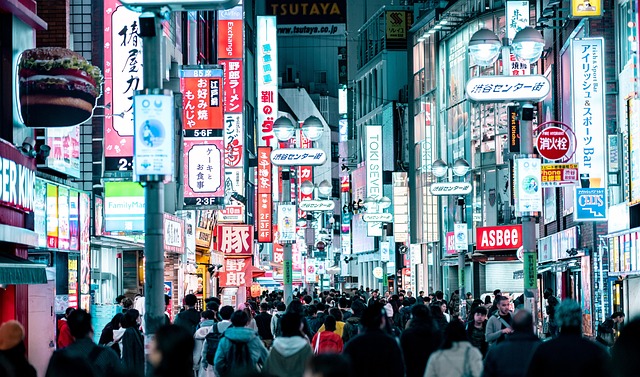
Things That Shock Tourists in Japan: Food, Culture and Shopping Explained
*This article contains promotional content.
Japan is one of the easiest countries to travel in once you understand how things work — but for many first-time visitors, the first few days can still feel surprisingly confusing.
Why are there so few public bins? Why is everyone so quiet on the train? Why does a convenience store meal look better than food from some restaurants back home?
This guide explains the things that often surprise tourists in Japan, especially around food, shopping and everyday culture. More importantly, it also explains what to do so the trip feels easier from day one.
What this article covers
- Things that surprise first-time visitors in Japan
- Why everyday rules can feel different
- How to avoid common travel mistakes
- Food, shopping and cultural habits explained simply
Quick tip: This article is especially useful for first-time visitors who want to understand the real everyday rhythm of Japan, not just the famous sightseeing spots.
- 1. There Are Surprisingly Few Public Bins
- 2. Convenience Store Food Is Shockingly Good
- 3. Depachika Food Halls Feel Like a Hidden World
- 4. Trains Can Feel Overwhelming at First
- 5. Japan Is Quiet in Public Spaces
- 6. Restaurant Rules Can Feel Unusual
- 7. Cash Still Matters More Than Some Travellers Expect
- 8. Shopping in Japan Can Be More Tempting Than Expected
- 9. The “Everyday Japan” Experience Is Often Better Than the Famous Sights
- Final Thoughts: Japan Feels Easier Once You Understand the Rhythm
1. There Are Surprisingly Few Public Bins
One of the first things many visitors notice is how clean Japan feels — and then immediately after that, how hard it is to find a rubbish bin.
For travellers coming from countries where bins are common on streets, in parks and near stations, this can be genuinely surprising. You may finish a drink or snack and suddenly realise there is nowhere obvious to throw the packaging away.
The important thing to know is that this is normal in Japan. Many people simply carry their rubbish until they find a suitable place to dispose of it properly.
What to do instead
- Check near vending machines for bottle and can recycling bins
- Use bins inside or just outside some convenience stores
- Keep a small plastic bag in your tote or backpack for temporary rubbish
- Separate recyclables when required
This is one of those classic Japan culture moments that feels inconvenient at first, but makes more sense once you see how strongly cleanliness and sorting are built into daily life.
2. Convenience Store Food Is Shockingly Good
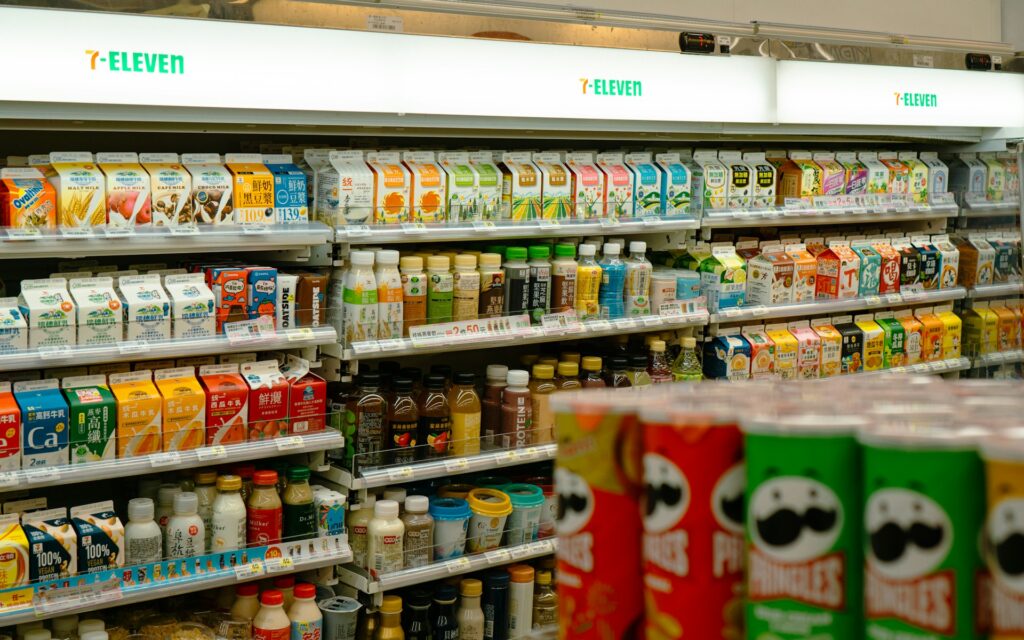
Many tourists expect convenience stores to be a backup option. In Japan, they often become part of the travel experience.
It surprises first-time visitors that places like 7-Eleven, Lawson and FamilyMart sell food that is not only convenient, but often genuinely tasty, neatly prepared and easy to eat on the go. Rice balls, sandwiches, noodles, desserts and even seasonal drinks can be much better than many people expect.
This is especially helpful on arrival days, late nights, train travel days or mornings when you want something quick without wasting sightseeing time.
For many travellers, Japanese convenience stores are not just useful — they become one of the most memorable “small joys” of the trip.
Popular things many visitors end up buying again
- Onigiri
- Egg sandwiches
- Fried chicken
- Seasonal sweets and puddings
- Bottled tea and strong canned coffee
Why this matters: Convenience stores in Japan are not just cheap or convenient. For many travellers, they become one of the easiest ways to enjoy good food without stress.
3. Depachika Food Halls Feel Like a Hidden World
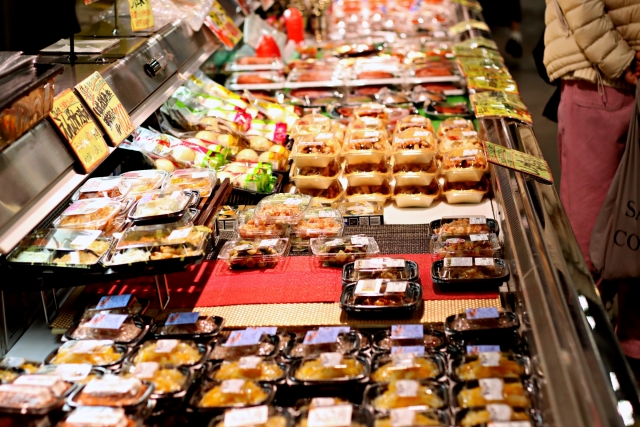
Another thing that surprises many visitors is the world of depachika — the food halls in the basement floors of Japanese department stores.
If you have never seen one before, the experience can feel almost unreal. Beautifully displayed sweets, premium bento boxes, deli foods, gift snacks and seasonal limited items are packed into one elegant space. For many travellers, depachika feels like a mix of luxury food hall, gourmet takeaway area and souvenir paradise.
This is one of the best examples of something that feels very Japanese and is still underrated in English travel content. While many big travel sites focus on famous attractions, depachika is the kind of everyday cultural experience that often leaves a stronger impression.
It is especially good for travellers who:
- want a memorable food experience without booking a formal restaurant
- need a high-quality takeaway meal
- are looking for gifts that feel more special than typical souvenir shop items
- want to experience Japanese food presentation and seasonality
Why tourists love depachika once they find it
- Beautiful presentation
- Easy gift shopping
- Excellent takeaway meals
- Great rainy-day activity
- A more local-feeling experience than many tourist spots
This topic also has strong standalone article potential later, because depachika in Tokyo or best depachika food halls in Japan is a much more distinctive angle than a generic “what to eat in Japan” article.
4. Trains Can Feel Overwhelming at First
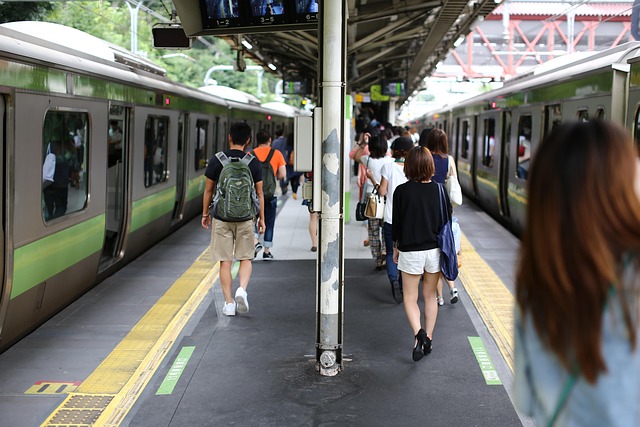
Japan’s public transport is excellent, but that does not mean it feels simple on day one.
Many travellers are shocked by how large stations are, how many exits there can be, and how easily one wrong platform or line choice can waste time and energy. Tokyo in particular can feel intimidating if you are jet-lagged, carrying luggage or trying to move during busy hours.
The good news is that most of the confusion becomes manageable once you stop trying to understand everything at once.
Simple ways to make trains easier
- Use an IC card or mobile transit card where possible
- Check the station exit number before arriving
- Allow more transfer time than you think you need
- Avoid rush hour with large luggage if possible
Helpful next step: A separate article such as Suica vs PASMO: Which One Should You Get? works very well as an internal link from this section.
5. Japan Is Quiet in Public Spaces
Many tourists are surprised by how quiet trains, station platforms and even some public indoor spaces can feel.
In many countries, chatting on public transport, taking calls or watching videos aloud is normal. In Japan, the general expectation is more restrained. People may still talk, but usually more softly, and phone calls on trains are often avoided.
This is not about visitors being expected to know every rule perfectly. It is more about understanding that public comfort and shared space are taken seriously.
Once travellers notice this, they often become more aware of the atmosphere around them — and many end up appreciating the calmer environment.
Good to know: You do not need to be anxious about every small rule. Just lowering your voice and observing the atmosphere around you usually goes a long way.
6. Restaurant Rules Can Feel Unusual
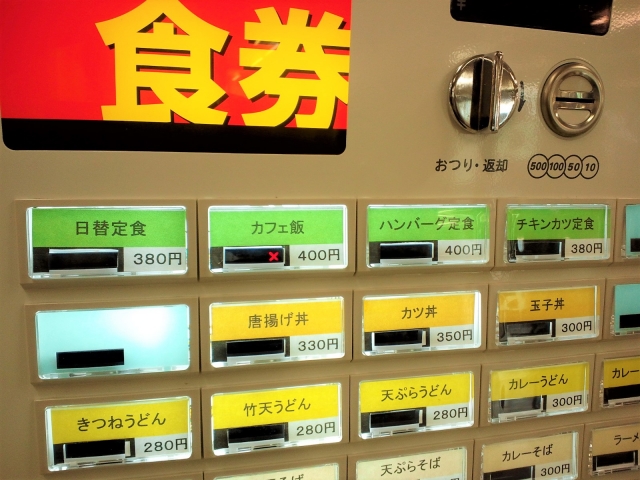
Japan has many small restaurant customs that are simple once explained, but confusing if you encounter them for the first time without context.
Examples include ticket machines at ramen shops, self-service water, limited space for luggage, and the fact that tipping is generally not expected.
None of this is difficult once you know it, but it often catches tourists off guard because the systems can feel unfamiliar rather than complicated.
Things that may surprise you in Japanese restaurants
- Some shops require ordering from a vending machine first
- Water may be self-service
- Staff may be efficient rather than highly conversational
- Tipping is usually unnecessary
- Small restaurants may have very limited seating or bag space
This is another area where personal explanation beats generic travel writing. Large websites often list “rules”, but travellers usually need the reason and the feeling behind them, not just a checklist.
7. Cash Still Matters More Than Some Travellers Expect
Japan has become more card-friendly in many places, but visitors are still often surprised that cash remains useful, especially outside major tourist centres or in smaller local businesses.
Some travellers arrive expecting to pay by card everywhere, only to find that certain restaurants, small shops, temples, market stalls or older ticket machines may still prefer cash.
That does not mean Japan is inconvenient — only that it is smart to stay flexible.
Good travel habit
- Carry some ¥ yen every day
- Do not rely on one payment method only
- Withdraw cash before going to more local areas
8. Shopping in Japan Can Be More Tempting Than Expected
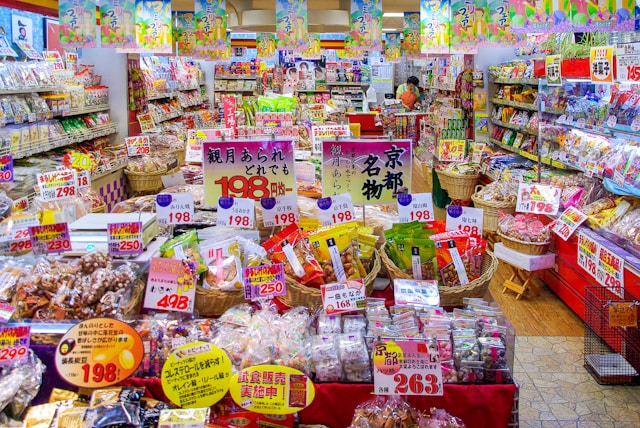
Many tourists come to Japan expecting to spend mainly on food, transport and attractions. Then they discover the shopping.
From drugstores and stationery shops to 100-yen stores, character goods, cosmetics, practical household items and limited-edition snacks, Japan makes “just browsing” very dangerous for the budget.
One reason this surprises visitors is that the appeal is not only cuteness. Japanese retail often combines good design, useful function, seasonal packaging and affordable price points. That makes everyday shopping feel far more fun than expected.
Shopping categories many tourists end up loving
- Japanese snacks and sweets
- Drugstore beauty items
- 100-yen shop travel goods
- Stationery and character items
- Practical everyday products with clever design
This section can naturally lead into future articles such as:
- Best Things to Buy in Japan
- Best 100-Yen Store Items for Travellers
- Japanese Drugstore Items Worth Buying
9. The “Everyday Japan” Experience Is Often Better Than the Famous Sights
One of the biggest surprises for many visitors is that the most memorable parts of the trip are not always the famous attractions.
Sometimes it is a depachika food hall, a perfectly packed convenience store breakfast, a quiet train ride, a beautifully wrapped gift snack, or a small restaurant with a simple set meal that becomes the highlight.
This is exactly why everyday culture content can perform so well in an English travel blog. It fills the gap between “top 10 things to do” articles and real travel experience.
The real takeaway: Japan often feels most special in ordinary moments. That is exactly the angle that helps a personal blog stand out from large generic travel sites.
Final Thoughts: Japan Feels Easier Once You Understand the Rhythm
Many things that shock tourists in Japan are not actually problems — they are just different rhythms, expectations and systems.
Once you understand that, the country starts to feel much easier to navigate. The lack of bins makes more sense. The quiet trains feel more comfortable. The convenience stores become a travel advantage. The depachika food halls start to feel like one of the best discoveries of the whole trip.
If this is a first visit, the best approach is not to worry about doing everything perfectly. It is to understand a few key differences early, stay flexible, and enjoy the parts of Japan that are not always obvious before arrival.

コメント