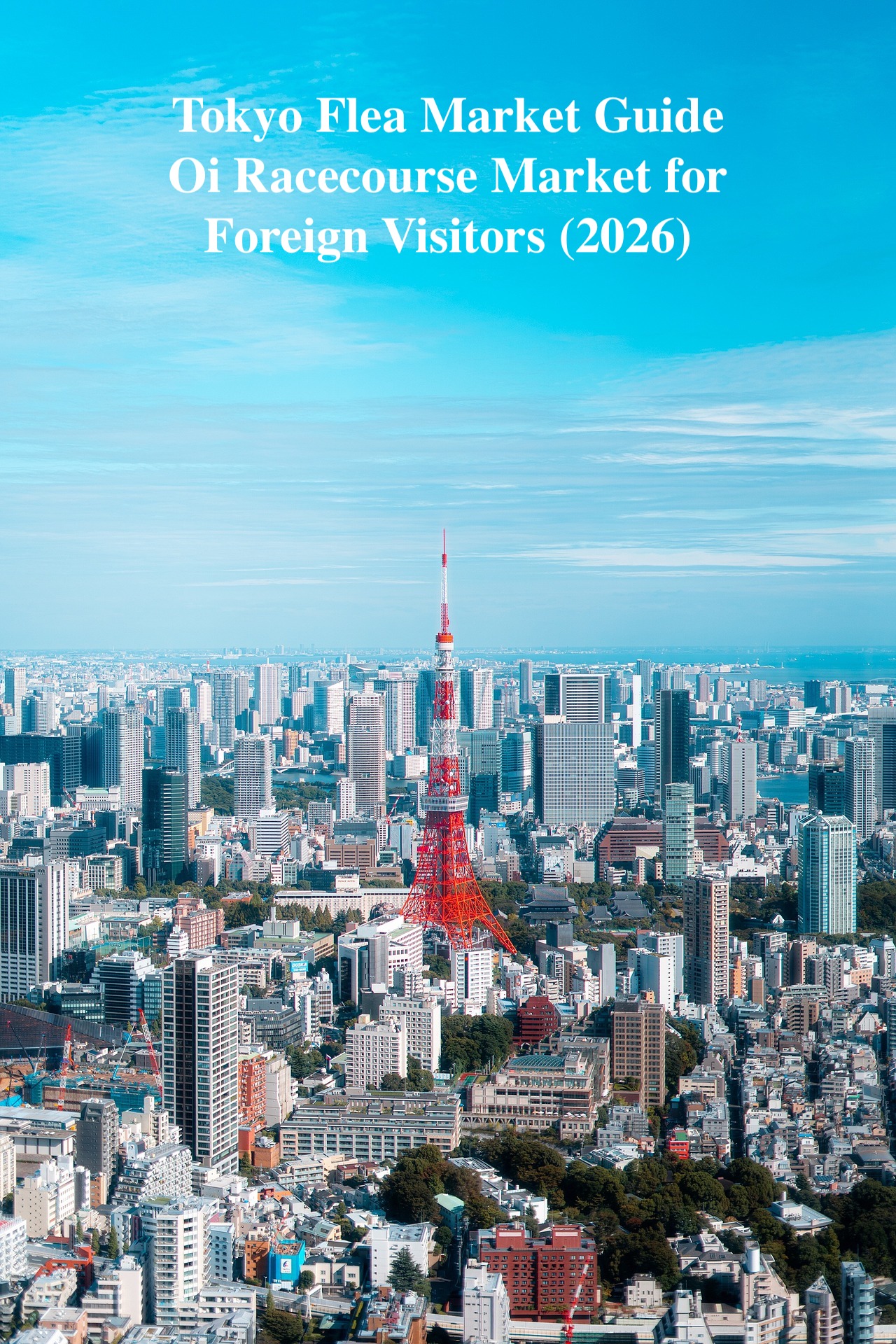
Tokyo Flea Market Guide: Oi Racecourse Market for Foreign Visitors (2026)
Disclosure: This post may contain affiliate links. If you book through these links, I may earn a commission at no extra cost to you.
If you are looking for a unique local experience in Tokyo beyond temples and shopping malls, the Oi Racecourse Flea Market is one of the best places to visit.
It is one of the largest flea markets in Tokyo and has quietly become popular with foreign visitors who want something more authentic.
What you will learn in this guide
- What the Oi Racecourse flea market is really like
- Why it is popular with foreign visitors
- What you can actually buy (and typical prices)
- How to get there easily
- Tips to avoid common mistakes
If you’re planning to visit the Oi Racecourse Flea Market, staying nearby makes your trip much easier.
👉 Check best hotels near Shinagawa / Oi area here
What Is the Oi Racecourse Flea Market?
The Oi Racecourse Flea Market is one of the biggest flea markets in Tokyo, usually held on weekends at the Oi Racecourse in Shinagawa.
With hundreds of stalls, it offers everything from vintage clothing and antiques to everyday household goods and quirky Japanese items.
Unlike typical tourist shopping areas, this is a place where locals sell directly, creating a more authentic atmosphere.
Why It Is Popular with Foreign Visitors
In recent years, more foreign visitors have discovered this market, especially those interested in vintage fashion and Japanese retro culture.
- Unique items: One-of-a-kind vintage pieces
- Lower prices: Often cheaper than shops
- Local atmosphere: Less touristy than central Tokyo
- Treasure-hunt experience: Every visit feels different
It is not a polished shopping experience, but that is exactly why many travellers enjoy it.
Want a deeper local experience in Tokyo?
👉 Explore unique Tokyo tours and local experiences
What You Can Buy (Realistic Expectations)
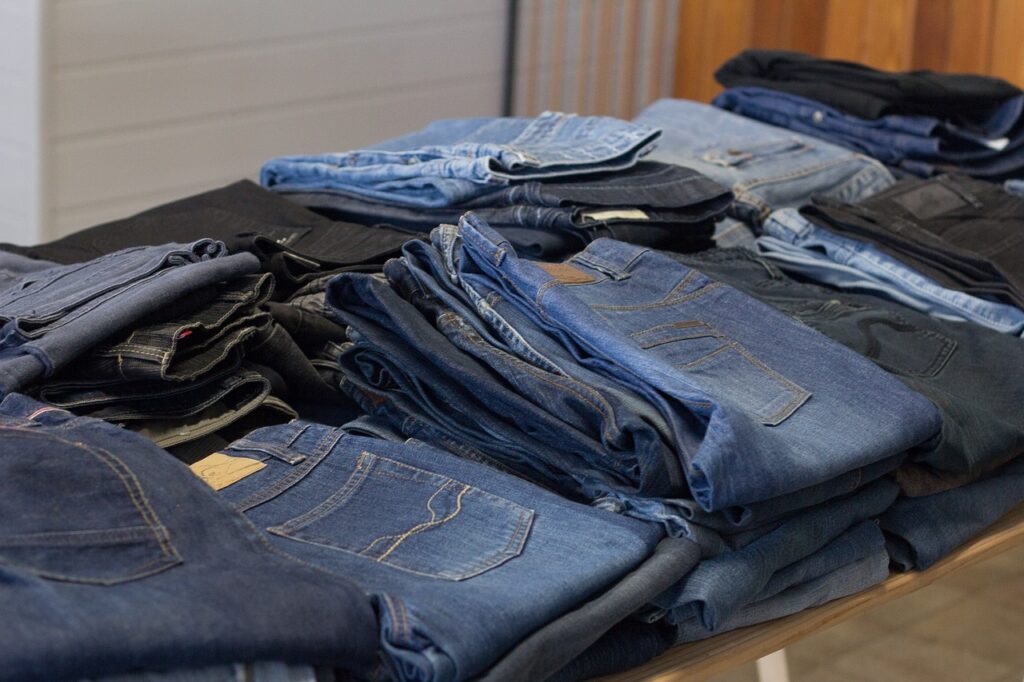
The variety is wide, but here is what you are most likely to find:
- Vintage clothes and streetwear
- Second-hand designer items
- Japanese ceramics and antiques
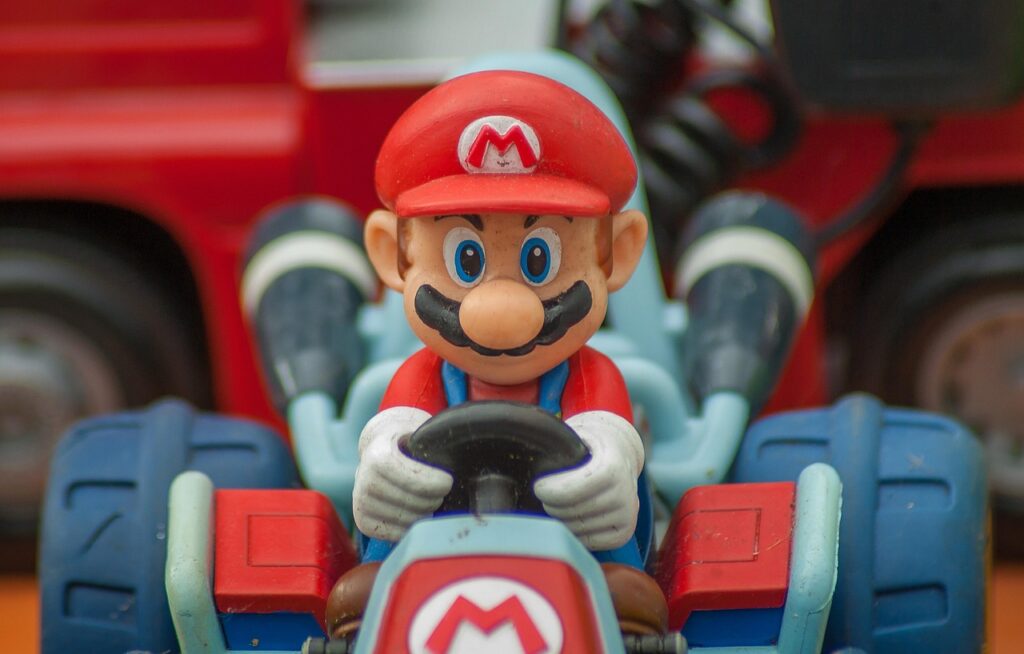
- Old toys, books, and collectibles
- Household goods and random bargains
Prices vary, but many items are surprisingly affordable compared to Tokyo retail shops.
Is It Actually Cheap?
Yes — but with some conditions.
Unlike fixed-price shops, prices here are often negotiable, especially later in the day.
The best deals usually appear in the last few hours before closing.
However, not everything is cheap. Some vintage items are priced based on trend value, especially popular clothing.
How to Get There (Simple Guide)
The market is located at Oi Racecourse in Shinagawa, Tokyo.
- Nearest station: Oikeibajomae Station (Tokyo Monorail)
- Access: About 2 minutes on foot
- From central Tokyo: Around 20–30 minutes
The location is convenient and easy to reach, even for first-time visitors.
Open Hours 9:00-14:30 (Weekend Only)
More info https://www.instagram.com/tokyocity_fleamarket
Tips for First-Time Visitors
- Bring cash (many stalls do not accept cards)
- Arrive early for the best selection
- Visit late for better prices
- Wear comfortable shoes (large area to walk)
- Do not expect perfect English communication
The experience is casual and slightly chaotic, but that is part of its charm.
Planning your Tokyo trip?
👉 Find the best accommodation deals in Tokyo here
Is It Worth Visiting?
If you are looking for a typical sightseeing experience, this may not be for you.
However, if you enjoy exploring local culture, vintage fashion, or finding unique items, it is absolutely worth visiting.
It is one of the few places in Tokyo where you can experience everyday local life while shopping.
Where to Stay in Tokyo
If you are planning to visit the flea market, staying in Tokyo makes access much easier.
For a more comfortable and unique experience, consider a ryokan-style stay.
- Best Tattoo-Friendly Onsen Ryokan
- Ryokan with Mt Fuji View
- Best Luxury Ryokans with Private Onsen in Japan: 5 Refined Stays for Privacy, Comfort, and Scenic Views
Final Thoughts
The Oi Racecourse Flea Market offers a completely different side of Tokyo — one that is less polished, more local, and full of surprises.
If you want something beyond typical tourist spots, this is a place worth adding to your itinerary.

コメント